


Importing a used commercial vehicle involves more than choosing a truck. Documentation, destination-country rules, vehicle preparation and shipping must be coordinated before dispatch.
Check import rules before ordering
Countries may restrict vehicle age, steering position, emissions, axle loads or inspection standards. Buyers should confirm local requirements with customs authorities or an experienced import agent.
Agree on the vehicle specification
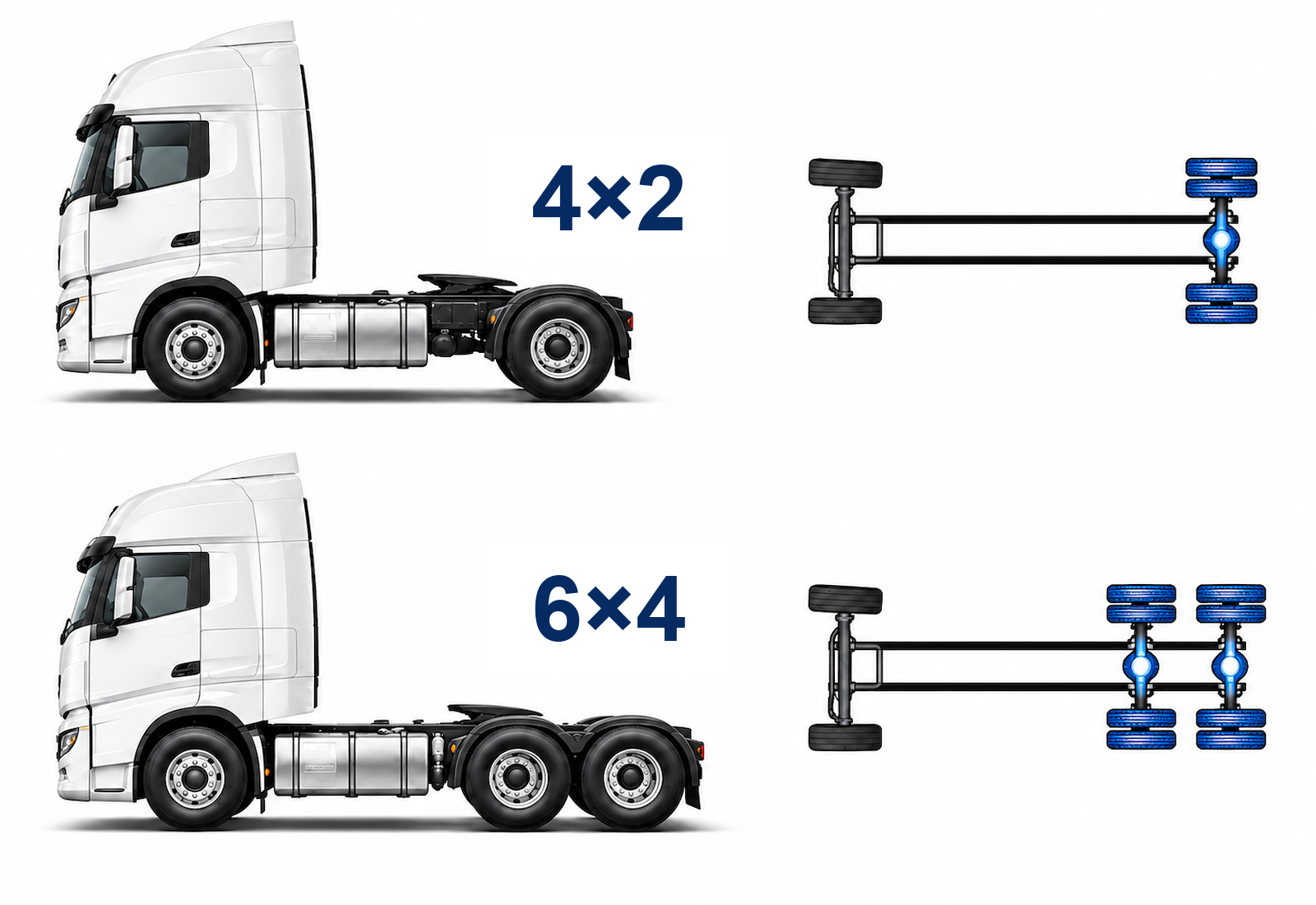
The quotation should identify the model, chassis number when available, engine, gearbox, axle configuration, condition, refurbishment scope and included accessories.
Confirm the document package
Typical documents may include a commercial invoice, packing list, bill of lading and available vehicle records. Requirements vary by destination, so both sides should agree on the final list before shipment.
Select a shipping method
RoRo shipping is commonly used for operable vehicles. Container or flat-rack shipping may suit certain sizes or routes. Shipping availability, port rules and vehicle dimensions affect the final choice.
Prepare the vehicle
Before loading, check fluid leakage, battery condition, tire pressure, brakes and fuel level according to carrier rules. Loose accessories should be secured and the vehicle photographed.
Keep loading evidence
Record the vehicle condition, chassis number and major accessories before handover. Loading photos and shipping documents help both buyer and supplier track the order.
For an accurate quotation, send the vehicle type, quantity, destination port and required delivery terms.


 whatsapp