


A tractor and semi-trailer must be checked as one transport combination. Similar-looking units may still have incompatible coupling height, brake connections or load ratings.
Define the cargo first
State whether you will carry containers, bulk materials, machinery, fuel or general cargo. Cargo type determines the trailer structure, deck height, axle count and loading method.
Confirm fifth-wheel compatibility
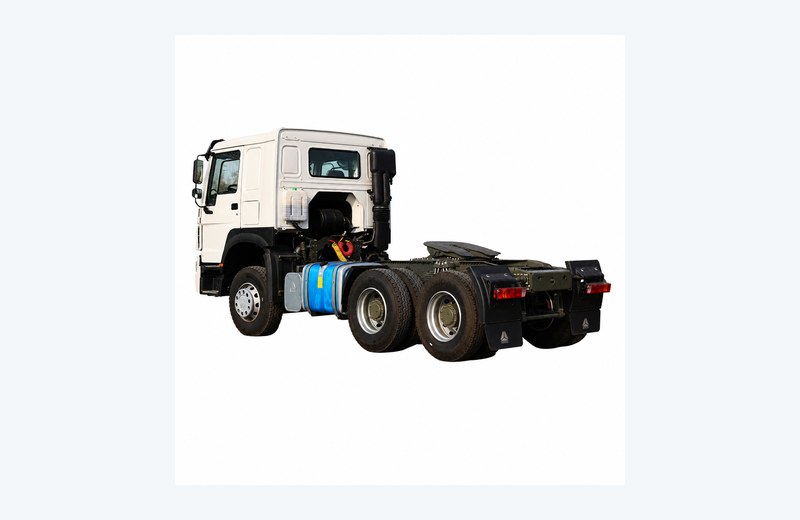
Check kingpin size, fifth-wheel type and coupling height. Incorrect height can cause poor weight distribution, excessive frame angle or contact between tractor and trailer.
Review load distribution
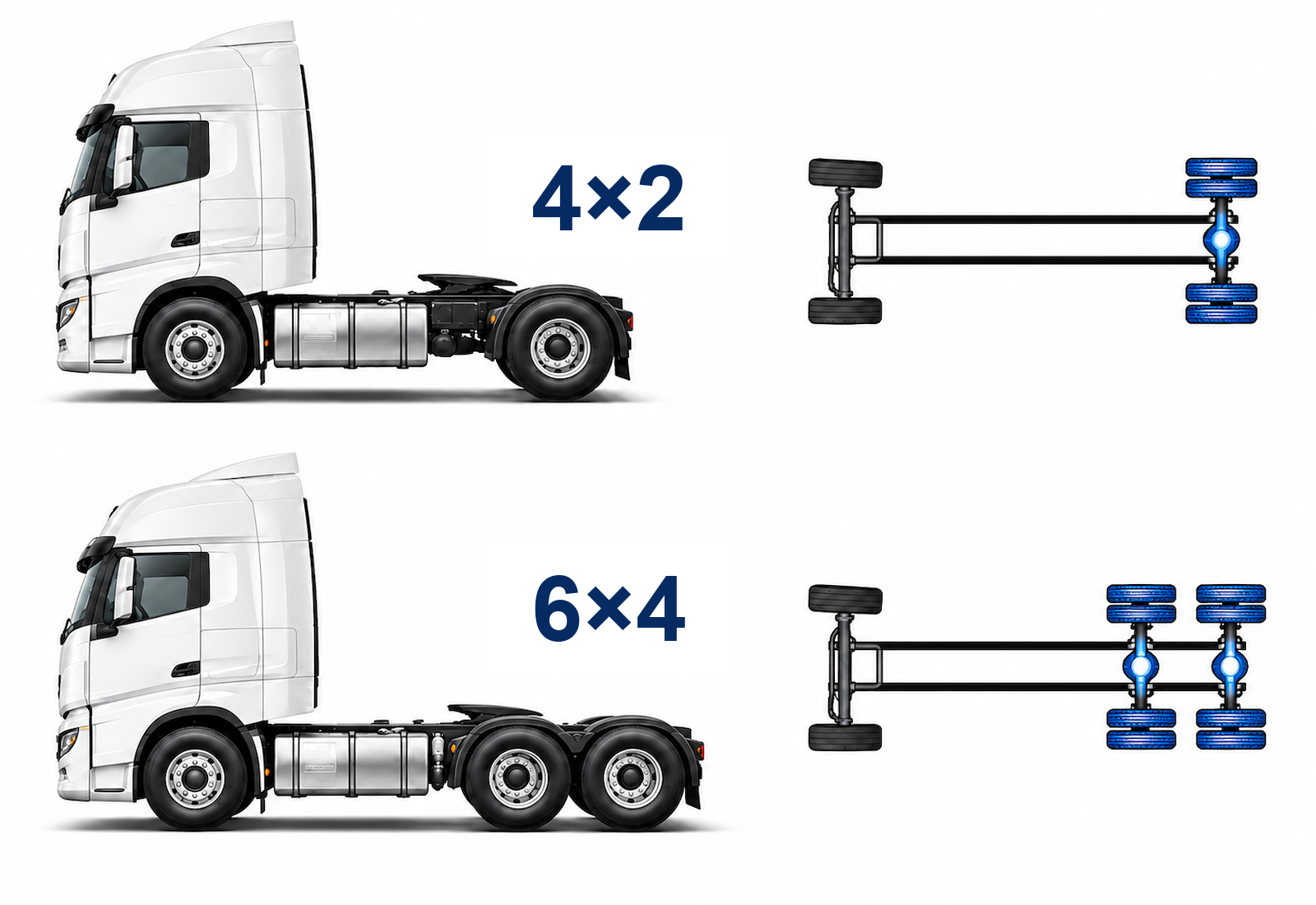
Compare tractor axle ratings, trailer axle ratings, suspension and legal limits in the destination country. More axles do not automatically mean the combination is legal for every route.
Check air and electrical connections
Confirm brake hose connections, air pressure requirements, electrical voltage, socket type, lighting and ABS compatibility where applicable.
Check turning clearance
Wheelbase, cab shape, fifth-wheel position and trailer front overhang affect turning clearance. This is especially important for low-bed trailers, tankers and long cargo bodies.
Request a complete configuration list
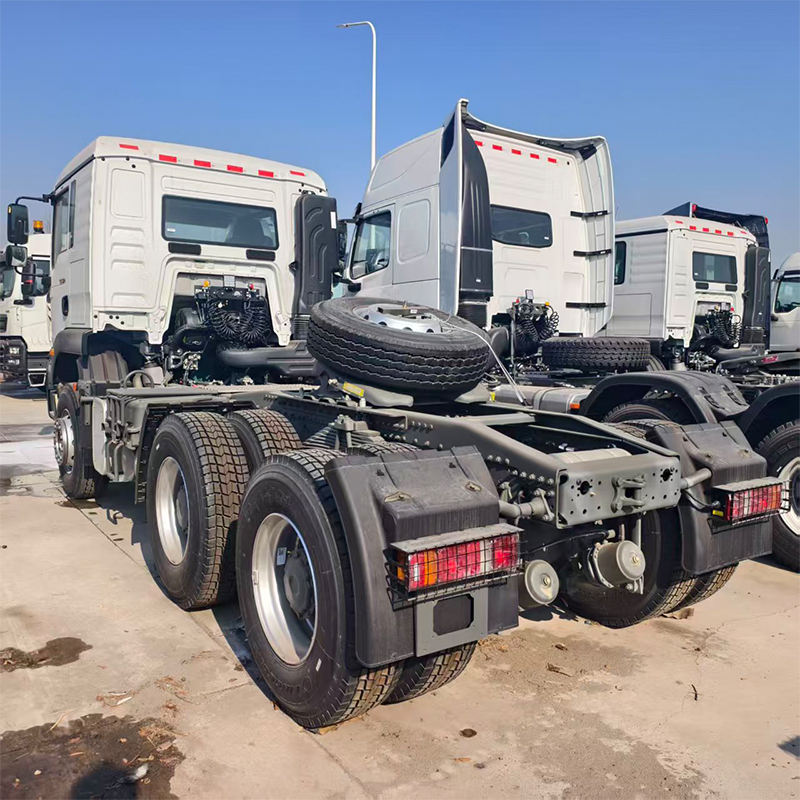
Ask the supplier to state tractor model, axle layout, fifth-wheel specification, tire size, trailer dimensions, axle count, suspension and braking system. Photos of the connected combination are also useful.
Browse semi-trailers and tractor trucks, or send your cargo and route details.


 whatsapp