


A used tractor truck should be evaluated by condition, not only by model year or appearance. A clear inspection process helps buyers compare vehicles and reduce uncertainty before shipment.
1. Confirm the vehicle identity
Match the chassis number, engine number, model and available documents. Ask for clear photos of the identification plates and verify that the basic configuration matches the quotation.
2. Check the engine
Request a cold-start video. Observe starting time, exhaust smoke, idle stability, oil pressure and unusual noise. Look for visible oil, fuel or coolant leaks around the engine.
3. Test the transmission and clutch
All gears should engage smoothly without abnormal noise. During a road test, check clutch engagement, acceleration and whether the truck holds each gear under load.
4. Inspect axles, steering and suspension
Check differential housings, steering joints, leaf springs, torque rods and wheel hubs. Uneven tire wear may indicate alignment or suspension problems.
5. Examine the chassis
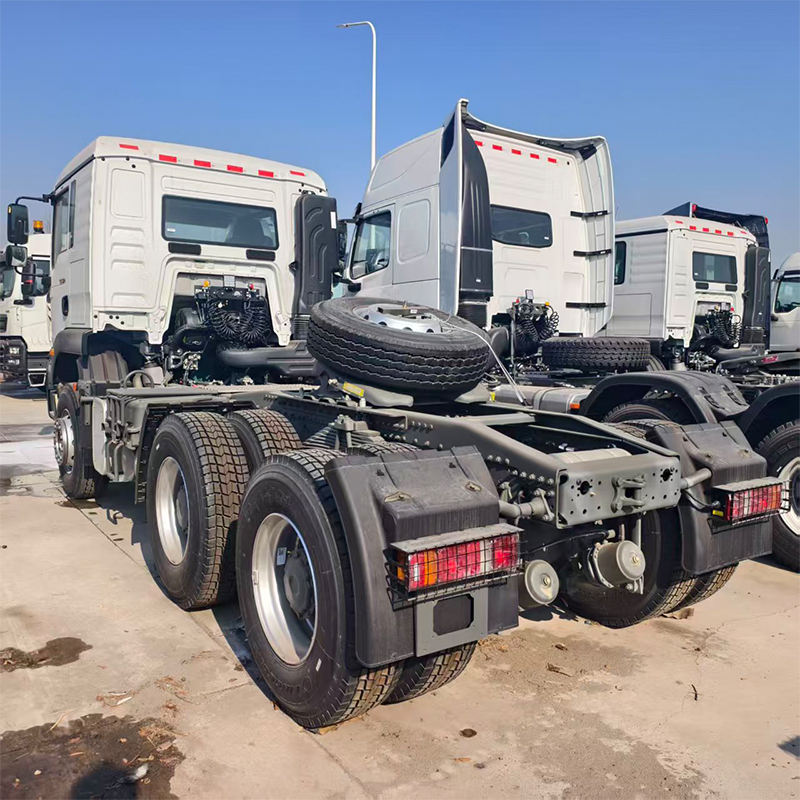
Look for cracks, heavy corrosion, deformed cross-members or poor repairs. Surface repainting is common on refurbished trucks, but structural areas should remain sound.
6. Check brakes, tires and electrical systems
Confirm brake response, air pressure build-up, tire condition, lights, gauges, horn, wipers and charging system.
7. Ask for evidence
Before ordering, request current photos, an operating video, an inspection summary and a written configuration list. A good quotation should also state refurbishment scope, shipment terms and included documents.
View available tractor trucks or send your required brand, axle layout, horsepower and destination port.


 whatsapp