


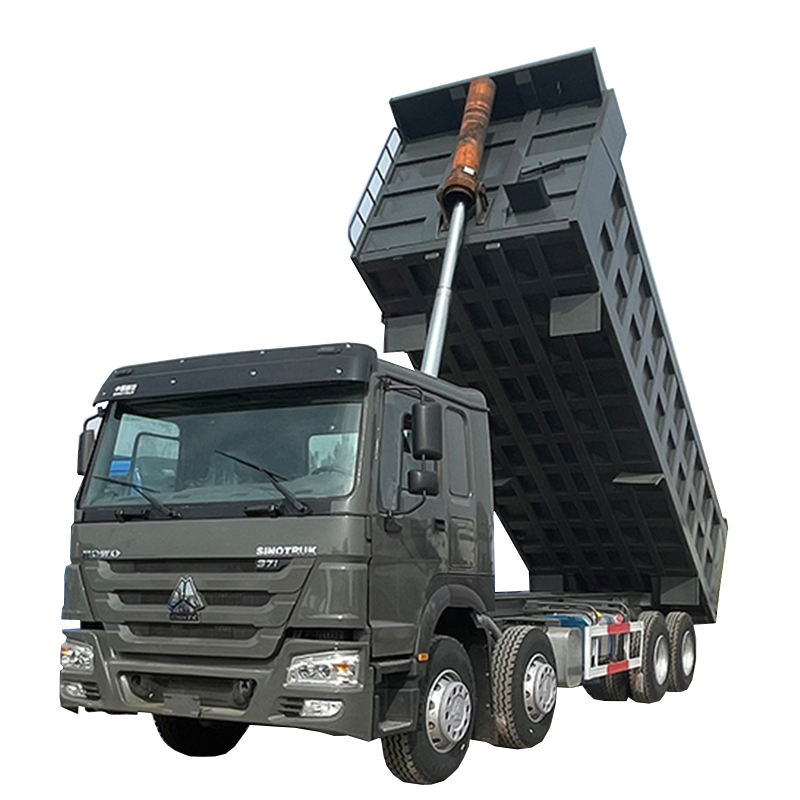
Dump trucks work under repeated load, rough roads and frequent tipping cycles. Buyers should therefore inspect both the driving system and the complete tipping structure.
Start with the chassis
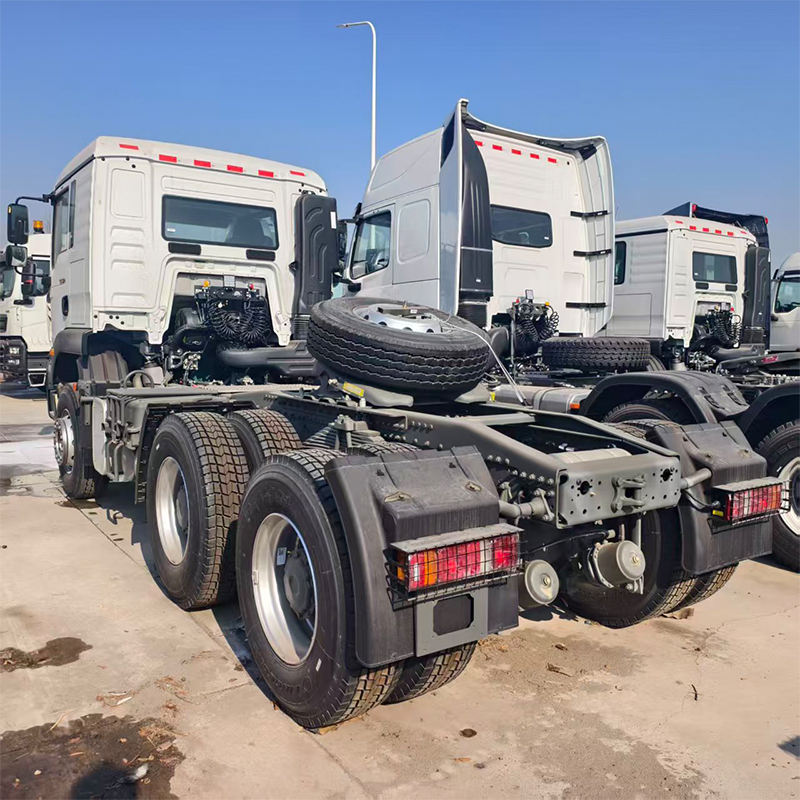
Inspect the main frame, subframe, cross-members and mounting points. Pay particular attention to cracks, deformation, corrosion and welded repairs around the rear suspension and hydraulic cylinder supports.
Inspect the dump body
Check the floor plate, side walls, tailgate, hinges and locking system. Local dents are common, but severe distortion or thin worn areas may reduce service life. Confirm the body dimensions and intended payload with the supplier.
Test the hydraulic tipping system
The body should rise and lower smoothly. Inspect the cylinder, hydraulic tank, pump, valves, hoses and connections for leakage or damage. The body must remain stable during the test.
Check engine and drivetrain
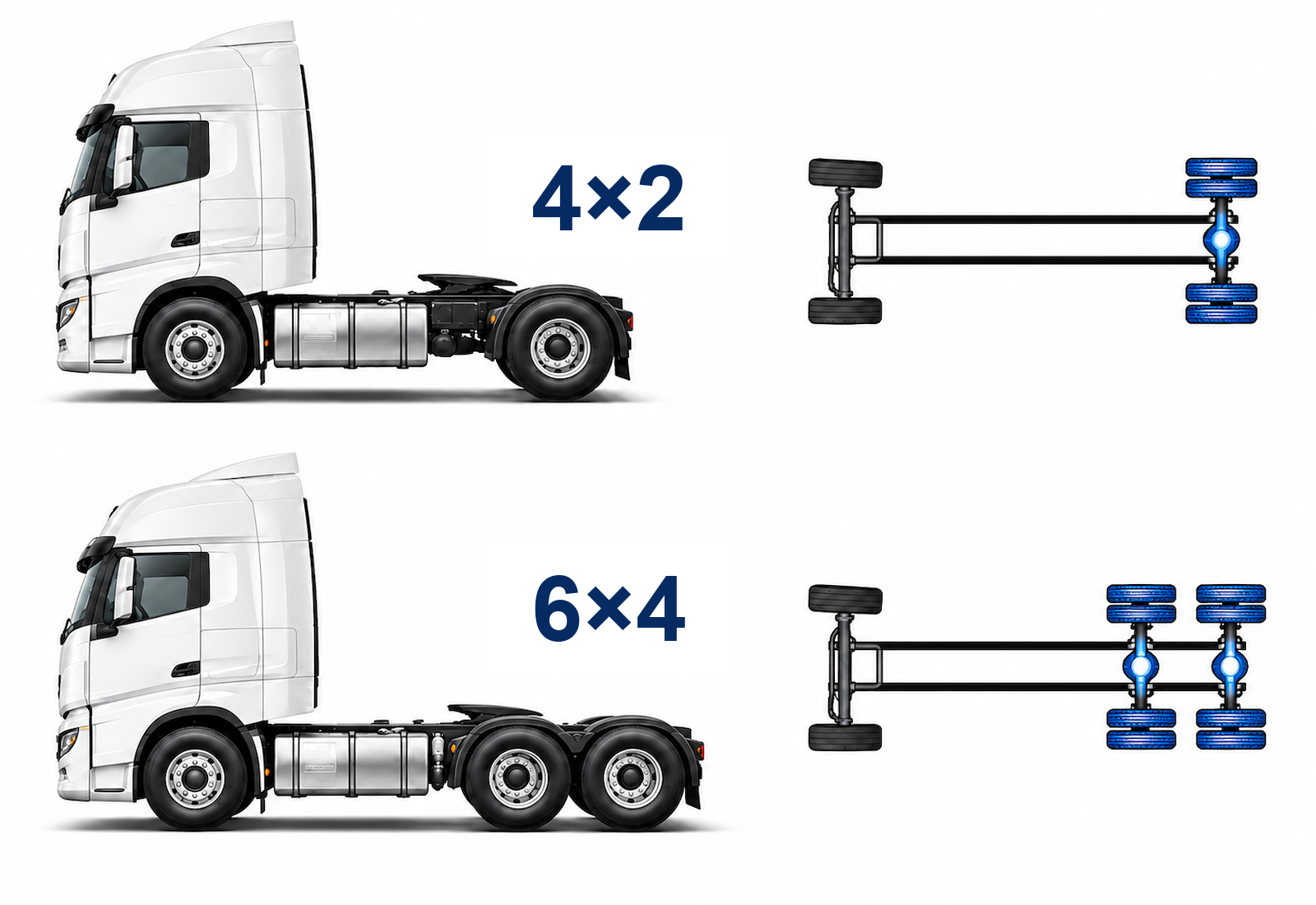
Use a cold-start video and road test to assess smoke, noise, temperature, clutch, transmission and axle response. For demanding terrain, confirm axle ratio, tire size and differential configuration.
Review brakes and tires
Check air pressure build-up, service brake response, parking brake, drums, lines and chambers. Record the tread condition and size of every tire, including the spare if supplied.
Specify your working conditions
Tell the supplier the material to be carried, road condition, daily distance, required body volume and destination-country rules. This information helps match the correct truck and refurbishment plan.
Browse used dump trucks or request an inspection package and quotation.


 whatsapp